In praise of Spain’s traditional bars
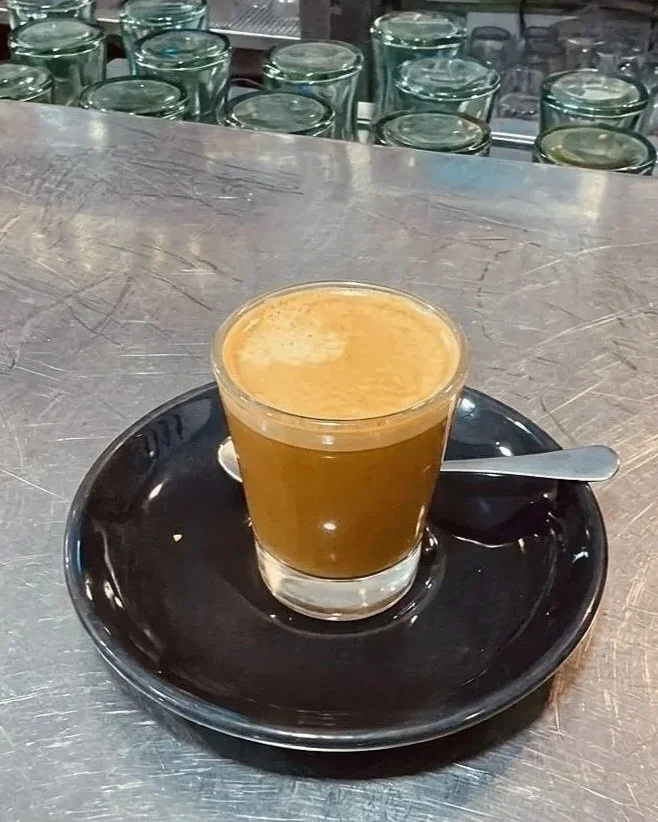
Like a scene straight from the 50s or 60s, with aluminium or granite bar tops, tiled or wood-panelled walls, and faded photos scattered across them, the everyday bar, known affectionately as a bar de viejos (old man bar) or bar de toda la vida, is a true Spanish institution.
Offering proper coffee, a perfectly poured caña (small beer), or the local spirit, and often accompanied by a side of olives or a free tapa if you’re lucky. Best of all, it rarely costs much more than the loose change in your pocket.
If the floor is carpeted with toothpicks, olive stones, and crumpled napkins under the counter, you’re in luck. This is a sign of a good bar, especially in southern Spain and Madrid; the busier and more popular the bar, the messier the floor. Back when I lived in Madrid in my 20s, a thick, white haze of cigarette smoke hung in the air too, with a graveyard of butts amongst the mess underfoot. This, thankfully, is no longer a thing, but at the time it added another layer of ambience.
If it’s busy, the service can be a thing of theatre. Seasoned bar staff rush back and forth, shouting out orders over the clank of plates and glasses and the symphony of conversation, all backed by the hum of the news or a football match from the TV mounted in the corner, while a brightly lit slot machine flashes quietly nearby.
If you arrived with an appetite, you’re also in luck. The menu will be traditional cocina casera (home-cooking); perhaps a crusty bocadillo (sandwich) filled with jamón or tortilla cooked that morning, a ración of albóndigas (meatballs) in a hearty sauce, croquetas, or a regional slow-cooked stew. They’re recipes that will have existed since the bar was established, and even then, likely borrowed from family recipe books. Some will be better than others; some will be the best meal you’ll have.
Throughout Spain, these traditional bars are at the heart of the community, whether in a pueblo in Andalucía or a barrio in central Madrid. One of my fondest memories from my days in Madrid is the bar in our village, near the Sierra de Guadarrama. Every night at the stroke of midnight, the low hum of conversation would give way to glorious song. Everyone turned to honour the statue of the Virgen as the barman passed around a traditional leather wineskin, called a bota. We each had our turn to pour the wine straight into our mouths from arm’s length; an art to be sure, and one that I never quite mastered. Even so, sharing in that time-honoured ritual of camaraderie and hospitality has stayed with me, and is just one example of how these bars are not just places to drink, but a vital thread of Spanish culture and everyday life.
Yet they are slowly becoming a thing of nostalgia. Often family-owned, they typically open six days a week from breakfast until the early hours. As the older generation retires, their children are understandably choosing not to take on their parents’ gruelling 80-hour working weeks. Meanwhile, in cities, trendy cafés are moving in, and rising rents are pushing out many of the traditional bars that remain as gentrification takes hold.
Nowadays, I find myself in Palma, instead of Madrid, and the bar beneath my language school makes a perfect cortado. Each morning, leaning against the worn stainless-steel counter to drink it, I find myself eyeing up their impressive tortilla de patata, which stands a good 15 cm high. At €1.30 for a coffee, it is hard to stomach going back to hipster cafés where baristas charge €4 for something inferior. But I might soon have little choice.
Sad as this shift may be, some argue that it is a good thing. These bars were built on the backs of a generation who worked punishing hours, and many point out that it is a business model that shouldn’t exist in this day and age. And they’re right. Yet when one closes, a neighbourhood loses far more than a place to eat and drink, and Spain risks losing a vital piece of its culture: a place where real life happens, rooted in history and connection.
Still, while they are here, I recommend you go, drink, eat, and enjoy. There is nothing else quite like them.
¡Viva el bar de viejos!